

Understanding the Parentified Child: What It Is, How It Affects You, and What to Do About It
Have you always felt responsible for everyone around you? Maybe you became the “mature one” in your family, learned to take care of your siblings, worried about your parents’ emotions, or felt like you had to keep the peace at home. Perhaps you became so accustomed to being dependable that asking for help now feels uncomfortable or even impossible. If this sounds familiar, you may have experienced parentification.

What are Mastery Theory and Repetition Compulsion?
Have you ever wondered why someone might repeatedly find themselves in the same type of painful relationship, workplace, friendship, or emotional situation, even when they desperately want something different? Perhaps they continually choose emotionally unavailable partners. Maybe they repeatedly find themselves feeling rejected, overlooked, or responsible for other people's emotions. They may leave one unhealthy work environment only to enter another with remarkably similar dynamics. Sometimes, a person can clearly recognize a pattern and still feel confused about why they continue repeating it.

How Childhood Emotional Neglect Affects Adult Relationships
Childhood experiences play a significant role in shaping how we understand ourselves, connect with others, and navigate relationships throughout adulthood. While many people recognize the lasting impact of overt trauma, such as abuse, violence, or abandonment, another experience can be more difficult to identify: childhood emotional neglect.

Why You Need a Vacation From Your Vacation: Understanding Summer Stress
Summer is supposed to be relaxing. Longer days, warm weather, beach trips, vacations, backyard barbecues, weddings, family reunions, and endless opportunities to make memories. Social media is filled with smiling faces, gorgeous sunsets, and perfectly curated adventures. It sends the message that summer should be the happiest, easiest season of the year.
So why do so many people arrive in September feeling completely exhausted?

What Is Parts Work in Therapy? Understanding the Different Parts of Yourself to Heal and Grow
Have you ever found yourself thinking, Part of me wants to leave this relationship, but another part of me wants to stay? Or perhaps you've said, I know I should apply for that job, but something keeps holding me back.
Most of us naturally describe ourselves as though we are made up of different "parts." One part feels confident while another feels insecure. One part wants connection while another pushes people away. One part dreams big while another whispers that you're going to fail.
These internal conflicts are not signs that something is wrong with you. In fact, they are a normal part of being human.
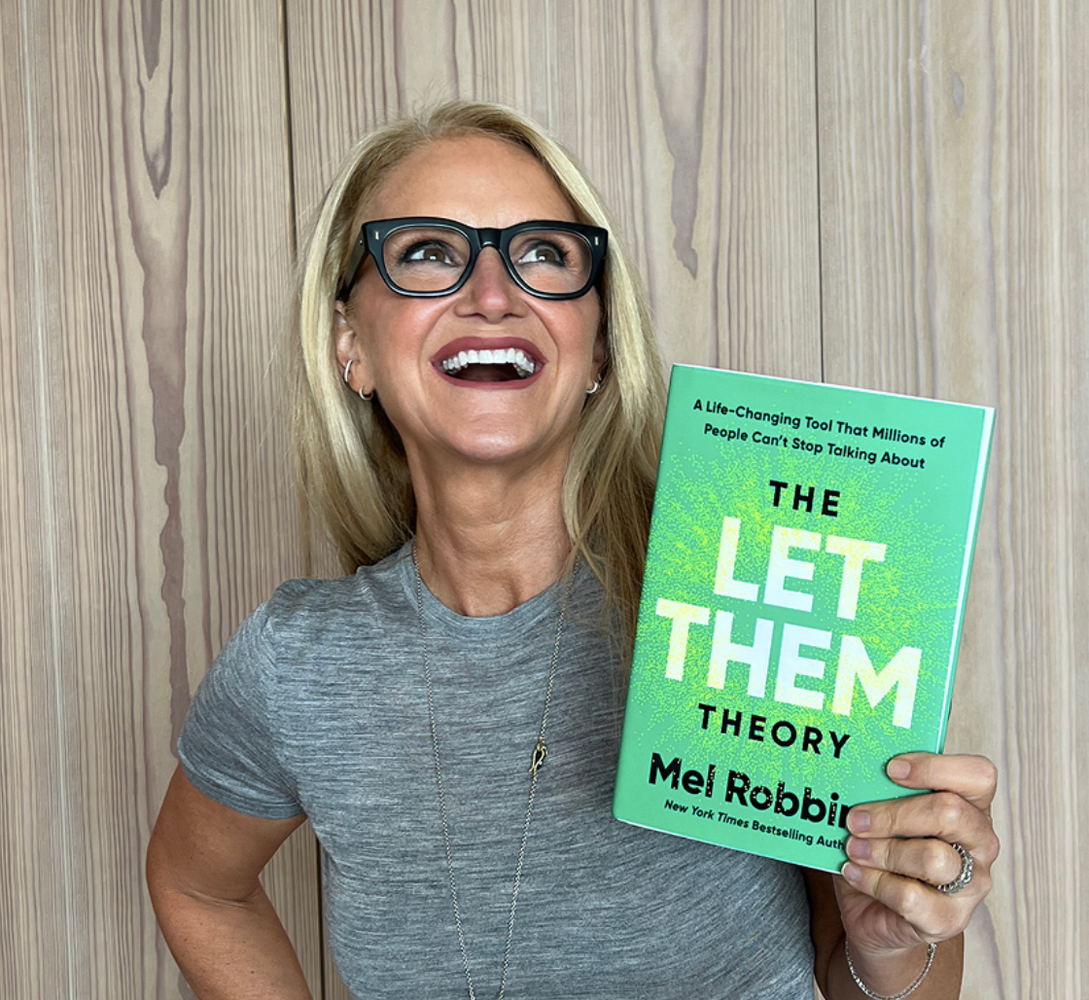
The “Let Them” Theory: What It Gets Right and Where Therapy Goes Further
If you've spent any time on social media recently, you've probably heard the phrase, "Let Them."
Popularized by Mel Robbins in The Let Them Theory, the concept has resonated with millions of people because it offers something many of us desperately seek: relief from the exhausting effort of trying to manage other people's thoughts, feelings, and behavior.

Why High-Functioning Anxiety Often Goes Unnoticed
When most people think about anxiety, they picture someone who appears visibly overwhelmed. They imagine panic attacks, avoidance of social situations, racing thoughts, or someone who struggles to complete daily responsibilities. While these experiences are certainly real, anxiety does not always look this way. In fact, some of the people who struggle most with anxiety appear to have everything together.

Recognizing and Breaking Intergenerational Trauma Patterns
Many people come to therapy believing they are struggling with anxiety, depression, relationship conflict, or low self-esteem without realizing that some of these patterns may have roots that extend far beyond their own life experiences. Sometimes the emotional struggles we carry are not just our own—they are inherited through generations of family experiences, beliefs, and coping strategies. This is known as intergenerational trauma.

Empty Chairs, Full Conversations: Understanding Chair Work in Psychotherapy
Some therapeutic techniques sound unusual at first, and chair work is often one of them. The idea of talking to an empty chair can seem theatrical, awkward, or even intimidating. Yet chair work has become a widely respected experiential intervention because of its ability to help people access emotions, clarify internal conflicts, and deepen insight in ways that traditional conversation alone sometimes cannot.

What Is Adlerian Therapy? Understanding the Power of Purpose, Connection, and Growth
When people think about psychotherapy, they often imagine exploring childhood experiences, identifying unhealthy patterns, or learning tools to manage symptoms. Adlerian therapy incorporates all of these elements while offering a unique perspective: it focuses on understanding how our beliefs about ourselves, others, and the world influence the choices we make every day.

The Hidden Cost of Being “Nice.” Understanding People-Pleasing, Its Roots, and How to Change It
At first glance, being agreeable, helpful, and accommodating seems like a strength. People who identify as “people pleasers” are often described as kind, thoughtful, and easy to get along with. But beneath these positive traits, there can be a pattern of self-sacrifice that quietly erodes well-being, authenticity, and even the quality of relationships. So what exactly is people-pleasing, how does it develop, and what can you do if you recognize it in yourself?

Why Am I Still Thinking About My First Love — Even Though I’m in a Committed Relationship?
It can feel confusing — and sometimes even unsettling — to find yourself frequently thinking about a high school romance while you’re in a committed partnership. You might wonder what it means. Does it signal something missing in your current relationship? Does it mean you made the wrong choice? Or are you just stuck in nostalgia?
How Trauma Lives in the Body: Key Takeaways from “The Body Keeps the Score”
In the world of psychotherapy, few books have had as profound an impact as The Body Keeps the Score by Bessel van der Kolk. Since its release, the book has helped both clinicians and clients better understand trauma—not simply as a painful memory stored in the mind, but as an experience that profoundly shapes the body, nervous system, relationships, and sense of self.

From Overwhelmed to Grounded: Understanding Nervous System Regulation and How to Practice It
Have you ever felt on edge for no clear reason, struggled to relax even when things are “fine,” or shut down in moments of stress? These experiences are not simply about mindset—they are rooted in your nervous system. Nervous system regulation is the ability to move through stress and return to a state of balance. When your nervous system is regulated, you are better able to think clearly, respond rather than react, and feel more connected to yourself and others. When it’s dysregulated, even small challenges can feel overwhelming or difficult to manage.

Healing Beyond Words: What Is Somatic Therapy and How Can It Help?
When most people think of therapy, they imagine sitting in a chair and talking through thoughts, feelings, and past experiences. While this kind of “top-down” approach can be incredibly helpful, it doesn’t always reach the deeper, physiological layers where stress and trauma are often stored. This is where somatic therapy offers something different—and often transformative.
Somatic therapy is a body-centered approach to healing that focuses on the powerful connection between the mind and body. It recognizes that our experiences, especially stressful or overwhelming ones, are not just remembered in our thoughts but are also held in our physical bodies.

The Bonds That Shape Us: Understanding Attachment Theory and Attachment Styles
Human beings are wired for connection. From the moment we are born, our relationships—especially with primary caregivers—play a critical role in shaping how we experience safety, trust, and emotional closeness. Attachment theory offers a powerful framework for understanding these early bonds and how they continue to influence our relationships throughout life.

Rewriting the Past: Understanding Mastery Theory in Psychotherapy
Why do people sometimes repeat painful patterns, even when they consciously want something different? Why might someone recreate situations that echo earlier wounds? Mastery theory offers a thoughtful and compassionate answer: rather than being stuck or self-sabotaging, individuals may be unconsciously trying to master unresolved experiences from the past.

The Quiet Turning Point: Navigating Growth, Grief, and Letting Go in Your 30s
There’s a particular kind of transition that often unfolds as people move into their 30s—one that doesn’t always get named, but is deeply felt. It’s not marked by a single milestone, but by a subtle, accumulating awareness: parts of your life that once felt exciting, comforting, or essential no longer fit in the same way. Relationships shift. Priorities recalibrate. What once brought joy may now feel draining, or simply… flat.
This is not failure. It’s evolution.

Looking Beneath the Surface: Understanding Psychodynamic Psychotherapy
In a world that often prioritizes quick fixes and immediate results, psychodynamic psychotherapy offers something different: depth, insight, and lasting change. Rooted in the idea that our unconscious thoughts and past experiences shape our present behavior, this form of therapy invites individuals to explore what lies beneath the surface of their emotions, relationships, and patterns.
At its core, psychodynamic psychotherapy is based on the belief that many of our struggles—whether anxiety, depression, or relationship difficulties—are influenced by unconscious processes. These processes are often shaped by early life experiences, particularly our relationships with caregivers. While we may not always be aware of how these experiences affect us, they can show up in subtle but powerful ways in our daily lives.

Understanding Complex Post-Traumatic Stress Disorder
Complex Post-Traumatic Stress Disorder (C-PTSD) is a psychological condition that develops in response to prolonged, repeated exposure to traumatic experiences—especially those that occur in situations where a person feels trapped or powerless. While many people are familiar with Post-Traumatic Stress Disorder (PTSD), which is often linked to a single traumatic event, C-PTSD arises from ongoing trauma that can span months or even years.
Common sources of complex trauma include childhood abuse or neglect, domestic violence, human trafficking, living in war zones, or long-term emotional manipulation. Because the trauma is sustained, it deeply affects a person’s sense of identity, safety, and ability to relate to others.