
How Trauma Lives in the Body: Key Takeaways from “The Body Keeps the Score”
In the world of psychotherapy, few books have had as profound an impact as The Body Keeps the Score by Bessel van der Kolk. Since its release, the book has helped both clinicians and clients better understand trauma—not simply as a painful memory stored in the mind, but as an experience that profoundly shapes the body, nervous system, relationships, and sense of self.
Understanding Complex Post-Traumatic Stress Disorder
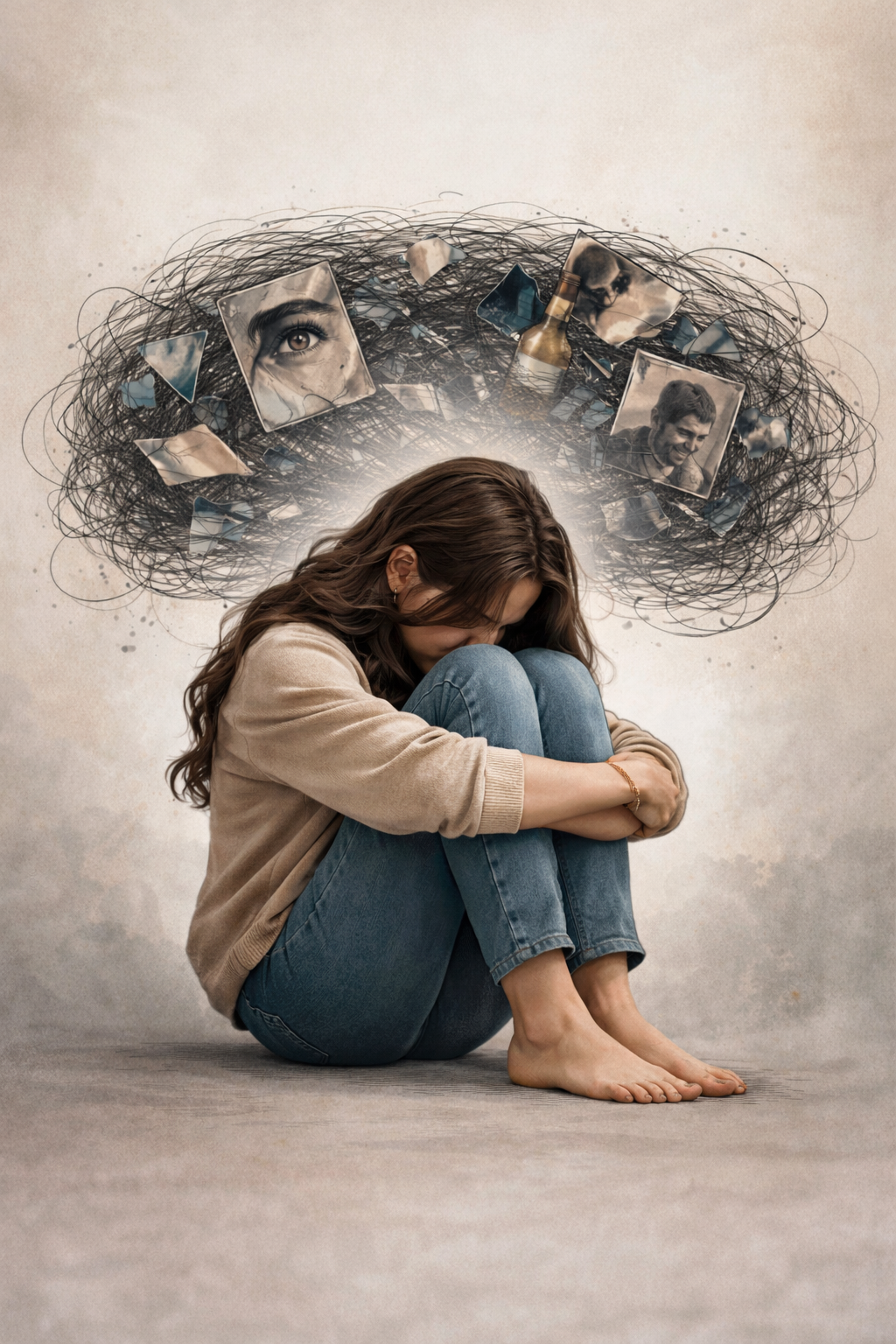
Complex Post-Traumatic Stress Disorder (C-PTSD) is a psychological condition that develops in response to prolonged, repeated exposure to traumatic experiences—especially those that occur in situations where a person feels trapped or powerless. While many people are familiar with Post-Traumatic Stress Disorder (PTSD), which is often linked to a single traumatic event, C-PTSD arises from ongoing trauma that can span months or even years.
Common sources of complex trauma include childhood abuse or neglect, domestic violence, human trafficking, living in war zones, or long-term emotional manipulation. Because the trauma is sustained, it deeply affects a person’s sense of identity, safety, and ability to relate to others.